Analyzing Cross Cultural Genre Fusion Trends via Platform Recommendation Algorithms in Modern Film Distribution
Erik Powell · Sep 6, 2026
Analyzing Cross Cultural Genre Fusion Trends via Platform Recommendation Algorithms in Modern Film Distribution
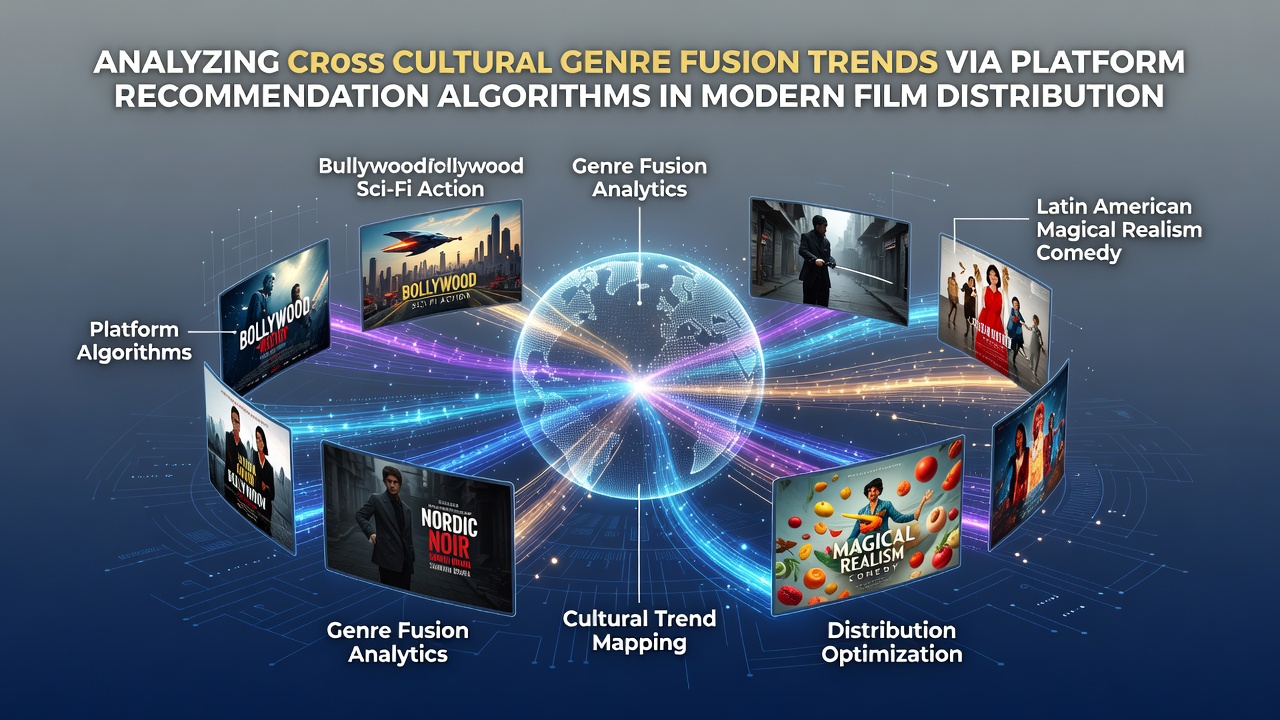
Platform recommendation algorithms now shape how audiences encounter genre fusion films that blend elements from multiple cultural traditions and narrative styles, and data from major streaming services indicates steady growth in cross-border content pairings since the mid-2020s. These systems analyze viewing patterns, search histories, and regional preferences to surface titles that combine action sequences with localized comedic traditions or dramatic structures drawn from diverse film industries. In September 2026 several services rolled out refined models that prioritize hybrid releases from studios in Asia, Europe, and Latin America, which resulted in measurable shifts in user engagement metrics across different markets.
Algorithm Mechanisms Driving Content Pairings
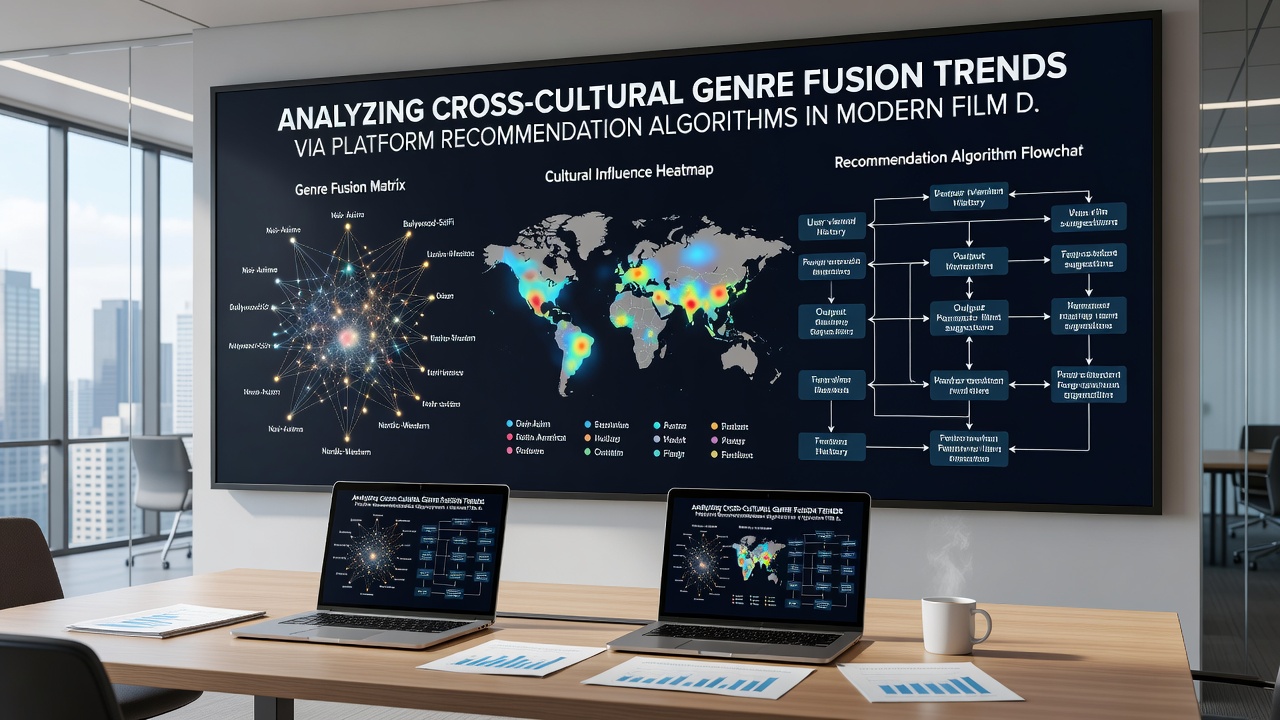
Modern recommendation engines rely on collaborative filtering alongside content-based analysis to connect viewers with films that merge genres across borders, and studies from academic institutions have tracked how these tools identify latent similarities between seemingly unrelated productions. For instance, a system might link a Korean action comedy to a Brazilian adventure narrative because both feature ensemble casts navigating cultural misunderstandings, while metadata tags for pacing and tone reinforce the match. Researchers at various universities have documented that such pairings increase completion rates when the algorithm accounts for subtitle preferences and dubbing availability in specific regions.
Genre Fusion Patterns Observed in Distribution Data
Distribution records show rising numbers of films that fuse martial arts choreography with Western buddy-cop humor or incorporate Bollywood musical interludes into science fiction frameworks, and platform metrics reveal these hybrids often perform strongly in markets outside their countries of origin. Observers note that algorithms surface these titles more frequently to users who previously engaged with one component genre, which creates pathways for broader exposure. Figures from industry reports highlight that hybrid releases from 2025 onward captured larger shares of watch time in non-domestic territories compared to earlier periods, particularly when recommendations emphasized visual style over language barriers.
Regional Variations and Platform Adaptations
Services operating in Europe have adjusted algorithms to comply with local content quotas while still promoting cross-cultural fusions, whereas platforms focused on North American audiences tend to weight user-generated tags more heavily when suggesting genre blends. Data from the OECD on digital content flows demonstrates that recommendation systems in Asia-Pacific regions frequently highlight fusions involving local folklore elements mixed with international action formats, which leads to distinct discovery patterns compared to other areas. Those who monitor these trends point out that such regional tailoring affects how quickly a hybrid title gains traction in secondary markets.
Impact on Studio Strategies and Release Planning
Studios now incorporate algorithmic insights during pre-production to emphasize elements likely to trigger positive recommendations across cultural lines, and trade analyses indicate this practice influences casting choices and narrative structures in upcoming projects. For example, productions scheduled for late 2026 have incorporated multilingual dialogue sequences or visual motifs drawn from multiple traditions because testing showed stronger algorithmic pickup. Evidence from distribution partners suggests these adjustments correlate with improved visibility on major platforms without requiring additional marketing spend in every territory.
Measurement Approaches Used by Analysts
Analysts track genre fusion trends through metrics such as cross-genre watch clusters, regional completion rates, and subtitle engagement levels rather than simple view counts, and reports from organizations like the European Audiovisual Observatory provide standardized frameworks for comparing these indicators over time. OECD digital economy data supplies additional context on how platform algorithms influence content circulation across borders. These methods allow researchers to isolate the contribution of recommendation systems from broader market forces like festival exposure or traditional advertising campaigns.
Conclusion
Platform recommendation algorithms continue to accelerate the visibility of cross-cultural genre fusions in modern film distribution by connecting disparate audience segments with hybrid narratives that might otherwise remain undiscovered. Ongoing refinements in data processing and regional customization suggest these trends will persist as services compete for engagement across expanding global libraries. Monitoring remains essential for understanding how technological mediation shapes the circulation of films that draw from multiple cultural and stylistic sources.