Online Movie Downloads: Legal Platforms and Market Trends
Erik Powell · Sep 20, 2026
Online Movie Downloads: Legal Platforms and Market Trends
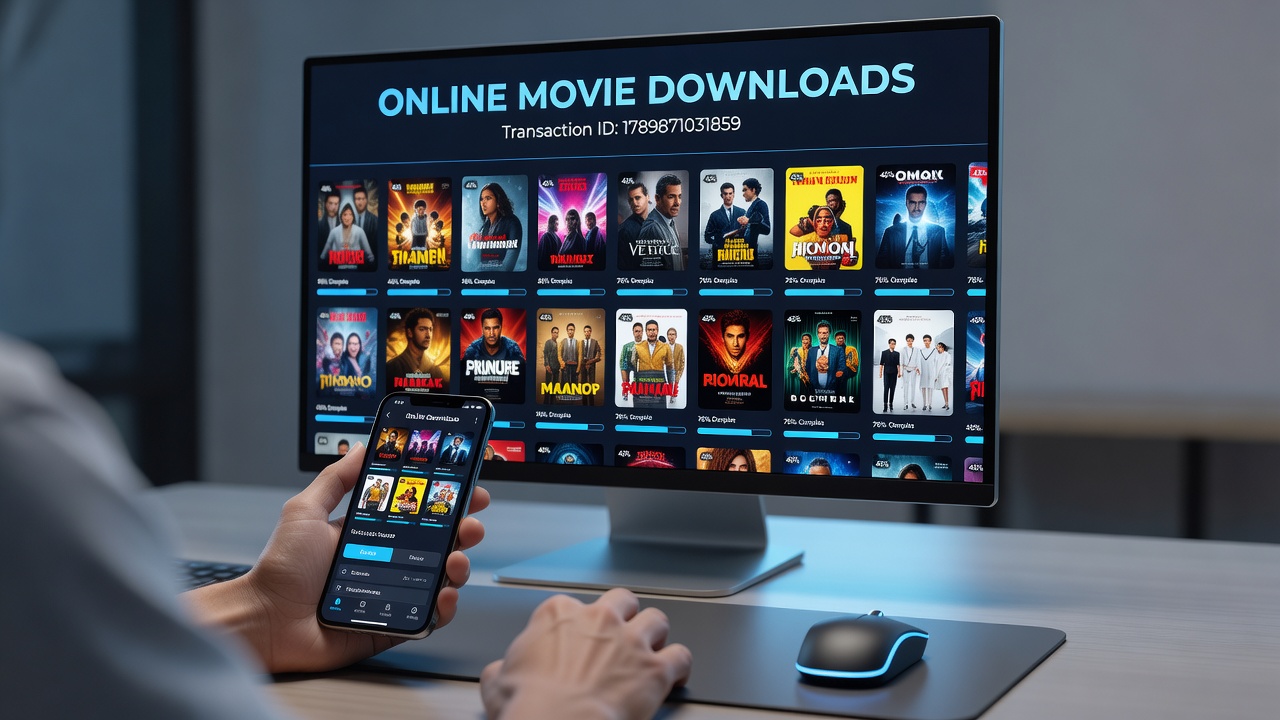
Online movie downloads operate through licensed platforms that provide users with purchased or rented files for offline viewing, and data from industry reports indicate steady growth in this sector since the early 2010s. Consumers access these services via apps on smartphones, tablets, computers, and smart TVs where titles become available after payment processing completes, while encryption protects the content from unauthorized sharing. Research from global media studies shows that digital downloads accounted for a significant portion of home entertainment revenue in North America and Europe by 2025, with figures revealing continued expansion into Asian markets as well.
Platform Mechanics and User Access
Services such as Apple TV, Google Play Movies, and Amazon Prime Video allow purchases that store files locally after download completes, and these systems sync libraries across multiple devices registered to the same account. Users select resolution options during the transaction, with HD and 4K formats requiring compatible hardware and sufficient storage space on the target device, whereas subscription tiers often include temporary download windows that expire after a set period. Observers note that regional availability varies because licensing agreements differ by country, so a title accessible in Canada may remain unavailable for direct download in Australia until distributors finalize contracts.
Payment methods include credit cards, digital wallets, and carrier billing in select regions, and transaction records feed into recommendation engines that suggest similar titles based on viewing history. Technical specifications require stable internet connections for initial acquisition, yet playback functions without further connectivity once the file resides on the device.
Market Data and Regional Patterns
Statistics compiled by research institutions demonstrate that digital movie sales grew steadily through 2025, driven by increased smartphone penetration in emerging economies, while data from European Union media reports highlight how cross-border licensing reforms influenced download availability across member states. In September 2026, several major studios are scheduled to release catalog titles on new digital storefronts in Latin America, expanding options beyond traditional physical media in those territories. Industry organizations tracking consumer behavior found that families often prefer downloads for travel purposes because files remain accessible during flights or in areas with limited connectivity.
Take one analysis conducted by a Canadian university research group which examined download patterns over five years and revealed higher adoption rates among urban populations compared with rural users, yet rural adoption accelerated after infrastructure improvements in broadband speeds. Government sources in Japan documented similar shifts where mobile network upgrades enabled more frequent purchases of anime features through official apps. Those who've examined transaction volumes across platforms report that bundle offers combining movies with related merchandise maintain consistent appeal in multiple markets.
Technical Standards and Security Measures
Download protocols rely on digital rights management systems that tie files to specific accounts and devices, preventing playback on unauthorized hardware, and updates to these systems occur periodically to address new vulnerabilities identified by cybersecurity teams. File sizes range from 1.5 gigabytes for standard definition features to over 10 gigabytes for 4K versions with high dynamic range encoding, requiring users to monitor available storage before initiating transfers. Experts observe that compatibility checks built into apps alert customers when their device lacks necessary codecs or sufficient processing power.
Yet security extends beyond initial encryption because platforms implement watermarking techniques that embed user identifiers into downloaded files, allowing traceability if content appears on unauthorized networks later. Academic papers from Australian research centers detail how these measures evolved in response to changing distribution models, while maintaining user privacy under applicable data protection regulations.
Future Considerations in Digital Distribution
Projections shared by media analysts suggest continued integration between download services and emerging display technologies such as virtual reality headsets, although current adoption remains limited to early testers. Licensing negotiations scheduled for late 2026 may alter which back catalogs become downloadable in specific territories, affecting availability timelines for older releases. Observers tracking these developments note that consumer education campaigns by trade groups emphasize verifying platform legitimacy before completing purchases to ensure compliance with local copyright laws.
Conclusion
Legal online movie downloads continue to evolve alongside hardware advances and regulatory adjustments, with market figures indicating sustained interest from diverse geographic regions. Platforms maintain structured access rules that balance convenience with content protection, and ongoing updates address both technical and licensing challenges. Data from multiple international sources underscore the sector's role within broader home entertainment ecosystems as of September 2026.